Confucianism and Taoism: Roots of a Healing Philosophy
Confucianism and Taoism: Roots of a Healing Philosophy
儒教与道教:治愈哲学的根源
These reflections come from lecture notes on China's two great philosophical traditions — and how their wisdom flows into the integrative, whole-person care we practice at Agape Healing.
Every tradition of healing grows from a soil of philosophy. At Agape Healing, our approach to the body, mind, and spirit is shaped not only by modern medicine, but by millennia of Chinese thought — particularly the twin pillars of Confucianism (儒教) and Taoism (道教). Understanding where these traditions came from, and what they teach, helps us understand why true healing must address the whole person.
每一种治愈传统都生长于哲学的土壤之中。在大爱健康,我们对身、心、灵的关怀,不仅植根于现代医学,更植根于数千年来的中国思想——尤其是儒教与道教这两大支柱。理解这些传统的起源与教义,有助于我们理解为何真正的治愈必须关照整个人。
一 · Confucianism 儒教 — The Order of the Heart
儒教——心灵的秩序
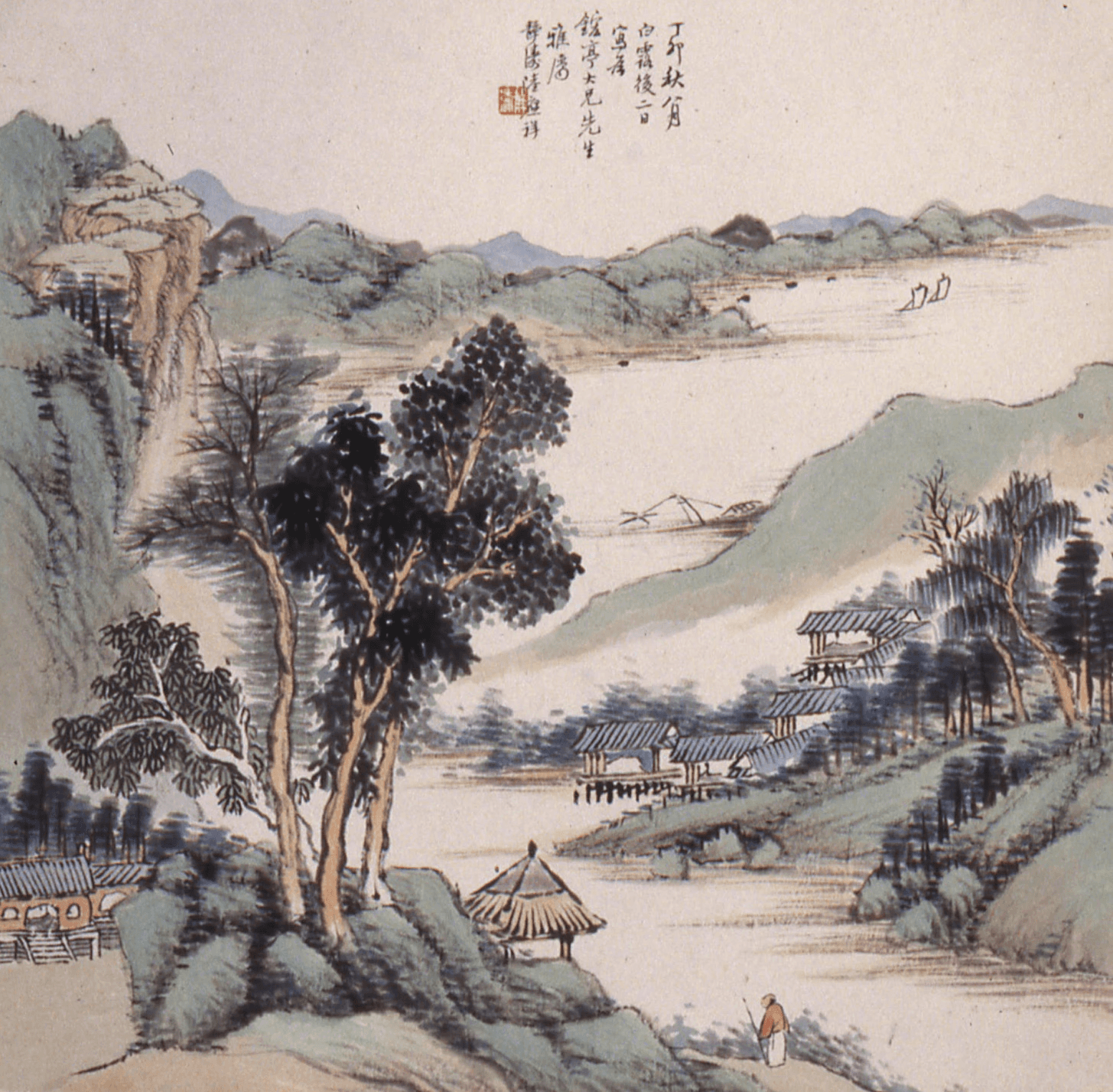
Confucianism emerged during China's Zhou Dynasty (周朝, BC 1046–256), a period of remarkable intellectual flourishing that lasted over 740 years. Its core concern was not abstract metaphysics, but the ordering of human life — relationships, ritual, and moral cultivation. If a body is to be healthy, so too must its society, its family, and its inner self be in right order.
儒教兴起于中国的周朝(公元前1046—256年),这是一个持续逾740年的思想蓬勃时期。儒学的核心关怀并非抽象的形而上学,而是人类生命的秩序——关系、礼仪与道德修养。正如一个身体要保持健康,其所在的社会、家庭与内心世界也必须处于正当的秩序之中。
Confucius 孔子 (BC 551 – 479 · 72 years) | Mencius 孟子 (BC 372 – 289 · 84 years) |
|---|---|
Edited the Four Books and Five Classics (四書五經). Traveled widely to teach moral governance. His life's work was to make wisdom accessible — not the property of the powerful alone. | Taught the Kingly Way (王道) — that goodness is innate in every human being, and that governance, like medicine, succeeds only when it honours that innate nature. |
Centuries later, the Neo-Confucian tradition deepened this inquiry. Zhu Xi 朱熹 (1130–1200) systematized Confucian ethics around three pillars: the Heavenly Pattern (天理), Human Nature (人性), and Human Need (需要). Wang Yangming 王陽明 (1472–1529) turned inward with his School of Mind (心學), teaching that conscience, cultivated through meditation and inner discipline, is the truest guide to right action.
数百年后,新儒家传统深化了这一探索。朱熹(1130—1200)围绕三大支柱系统化了儒家伦理:天理、人性与需要。王阳明(1472—1529)则以其心学向内探索,教导人们:通过冥想与内在修炼所培养的良知,才是指引正确行动的最真实向导。

"知行合一" — To know and to do are one and the same.
Wang Yangming's teaching that true understanding is inseparable from lived practice — a principle at the heart of all healing.
二 · Taoism 道教 — The Way of Natural Harmony
道教——自然和谐之道
If Confucianism orders human society, Taoism orders our relationship with the cosmos. Founded by Laozi 老子 (before BC 571) and expanded by Zhuangzi 莊子 (BC 369–286), Taoism invites us to stop straining against the natural flow of life and learn instead to move with it. As we say in our practice: the body already knows how to heal — our role is to remove the obstacles and restore the conditions for that healing to occur.
如果儒教规范人类社会,道教则规范我们与宇宙的关系。由老子(公元前571年前)创立、庄子(公元前369—286年)拓展的道教,邀请我们停止与自然生命流的对抗,转而学习顺流而行。正如我们在临床实践中所说:身体本已知晓如何疗愈——我们的职责是消除障碍,恢复疗愈得以发生的条件。
The Five Core Virtues of Taoism 道理
Simple Life — 简朴生活
Resist excess. Health grows in simplicity — in simple food, simple rhythm, simple thought.
Compassion — 慈悲
Healing flows from compassion — for others, and crucially, for ourselves.
Love — 爱
The animating force behind all care. Love is not sentiment — it is an active orientation toward the good of another.
Humbleness — 谦逊
The healer who listens more than they speak. The patient who is willing to change.
Harmony — 和谐
The goal of all treatment: not the suppression of symptoms, but the restoration of balance.
The Taoist principle of "內聖外王" — Inner Holiness, Outer Kingship — teaches that our capacity to heal the world begins with our capacity to heal ourselves. Cultivate the self (修身), then regulate the family (齊家), then govern the state (治國). This is not a ladder of achievement but a concentric circle of wholeness — each ring radiating outward from a centered, well-ordered inner life.
"内圣外王"的道家原则告诉我们,我们治愈世界的能力始于治愈自身的能力。修身、齐家、治国,不是成就的阶梯,而是一个以内在有序的生命为圆心、向外辐射的同心圆。
三 · Wisdom in Practice 修炼方法
付诸实践的智慧
These philosophical traditions are not museum pieces. At Agape Healing, they are alive in every session. The practices below are direct expressions of the Confucian and Taoist insight that the body, mind, and spirit are one integrated system.
Qi Gong 气功 Cultivating and circulating vital energy (qi) through breath, movement, and intention. Rooted in Taoist cosmology and the Eight Trigrams (八卦).
Tai Ji Quan 太極拳 The embodied expression of yin-yang balance. Movement as meditation. Strength through yielding.
Meditation 冥想 Following Wang Yangming's 致良知 — reaching the innate conscience through stillness. The ground from which all other healing grows.
Food & Nutrition 饮食调理 Chinese nutritional medicine aligned with seasonal cycles — mirroring the Taoist understanding of life as four seasons of growth and rest.
These traditions have also deeply shaped Chinese Christian thought. Healers like Wang Mingdao 王明道 (1900–1991), Watchman Nee 倪柝声 (1903–1972), and John Song 宋尚节 (1901–1944) embodied the integration we seek at Agape — grounding their faith and ministry in the language and wisdom of their culture, while reaching toward something beyond it. Like them, we believe that the deepest healing always has a spiritual dimension.
这些传统也深刻塑造了中国基督教思想。王明道(1900—1991)、倪柝声(1903—1972)、宋尚节(1901—1944)等人,以其文化的语言和智慧为根基,同时又超越了它,体现了我们在大爱健康所追求的整合。与他们一样,我们相信最深层的治愈始终具有灵性的维度。
At Agape Healing, we take this wisdom seriously — as lived practice, not theory. Whether through acupuncture, herbal medicine, Qi Gong, spiritual direction, or nutrition, we are here to walk with you toward wholeness.
大爱健康致力于促进身、心、灵的全面健康。